
tinted glass types
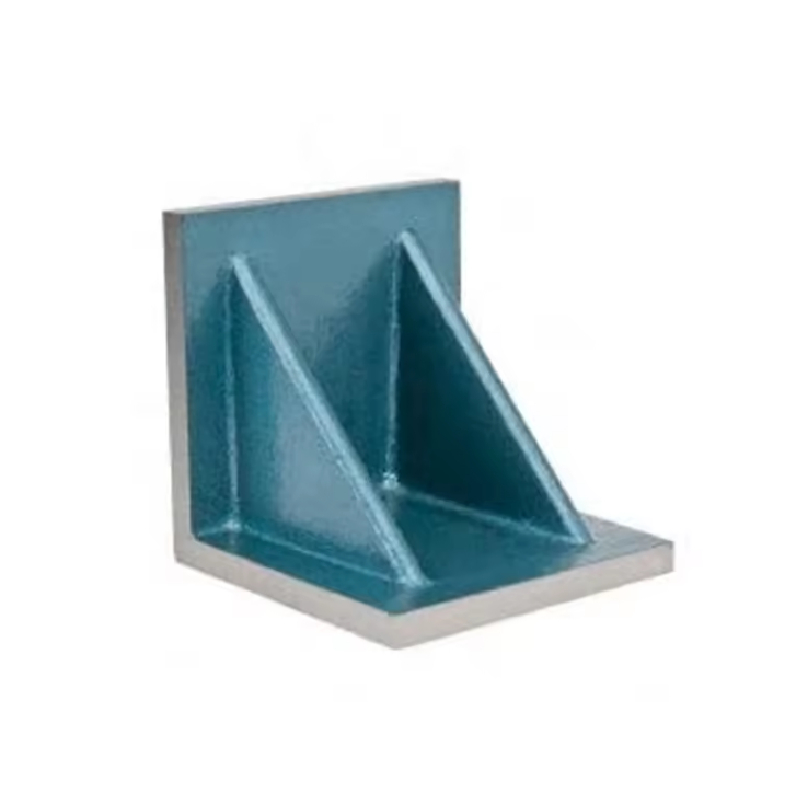
The Art of Stone Surface Plates The art of stone surface plates is a testament to the beauty and durability that can be achieved through the combination of natural materials and human craftsmanship. These plates, often made from granite, marble, or other types of stone, are not only visually stunning but also incredibly resilient, making them a popular choice for both residential and commercial settings. One of the most striking features of stone surface plates is their unique appearance. Each plate is one-of-a-kind, showcasing the natural veining, coloration, and texture inherent in the stone. This variability ensures that no two plates are exactly alike, adding a touch of individuality and charm to any space they grace. The process of creating these plates is a blend of traditional techniques and modern technology. Skilled artisans select high-quality stones based on their aesthetic appeal and structural integrity. They then cut, shape, and polish the stone using advanced machinery, ensuring precision and consistency throughout the production process. Finally, the stone is sealed with a protective coating to enhance its resistance to stains, scratches, and wear. In terms of functionality, stone surface plates excel in several areas In terms of functionality, stone surface plates excel in several areas In terms of functionality, stone surface plates excel in several areas In terms of functionality, stone surface plates excel in several areas stone surface plate . Their heat resistance makes them ideal for use as trivets or hot pads in the kitchen, while their non-porous nature means they are easy to clean and maintain. Additionally, their robust construction ensures that they can withstand the heavy use typically associated with dining tables and countertops. Beyond their practical attributes, stone surface plates bring an element of timeless elegance to any setting. Whether displayed as part of a formal dining set or used as a statement piece in a more casual environment, these plates exude sophistication and refinement. They serve as a bridge between the natural world and human habitation, reminding us of the earth's beauty and the artistry possible when we work in harmony with it. Stone surface plates represent an intersection of form and function, marrying the enduring qualities of stone with the need for reliable, attractive tableware. As such, they continue to captivate designers, architects, and homeowners alike, finding their way into hearths and homes where they stand as silent witnesses to the everyday moments that define our lives.
about
tinted glass types
Replacing Water Cut-off Valves A Comprehensive Guide Water cut-off valves are essential components in any plumbing system. They are designed to stop the flow of water in pipes, allowing for maintenance and repairs without the need to drain the entire system. Over time, these valves can wear out or malfunction, leading to leaks or water supply issues. Replacing a worn or faulty cut-off valve is crucial for maintaining the integrity of your plumbing system. This article will guide you through understanding the importance of water cut-off valves, recognizing signs that they need replacement, and providing a step-by-step process for the replacement. Importance of Water Cut-off Valves Water cut-off valves serve several critical functions in a building's plumbing system. Primarily, they facilitate maintenance by allowing you to isolate sections of the plumbing without shutting off the main water supply. This is particularly important in larger properties where shutting off water can affect multiple fixtures. Additionally, they help in preventing water damage during emergencies or unexpected leaks. By allowing swift action, such as shutting off the water supply to a damaged pipe, cut-off valves play a crucial role in protecting your home from extensive damage and costly repairs. Signs You Need to Replace Your Water Cut-off Valve Identifying when a water cut-off valve needs to be replaced is essential. Here are some common signs to look for 1. Leaking Water If you notice water pooling around the valve or dripping from the valve itself, it is often a sign of wear and can indicate that the valve needs replacing. 2. Difficult to Operate If turning the valve is challenging or it doesn’t close completely, it might be damaged internally and could require replacement. 3. Corrosion or Rust Inspect the valve for signs of corrosion or rust. These can weaken the valve and lead to failure. 4. Unusual Noise Any hissing or whistling sounds coming from the valve or pipe can indicate pressure or flow issues, which may suggest that the valve is failing. 5. Old Age If your valve is significantly outdated, it may be wise to replace it outright, even if there are no immediate signs of failure. Steps to Replace a Water Cut-off Valve Replacing a water cut-off valve may seem daunting at first, but with the right tools and a little know-how, you can tackle this project yourself. Here’s a step-by-step guide replacing water cut off valves Tools and Materials Needed - Adjustable wrench - Pipe wrench - Screwdriver - Replacement valve (ensure it’s compatible with your plumbing) - Teflon tape - Bucket or towels (to catch any leaking water) Instructions 1. Turn off the Main Water Supply Before starting, ensure that the main water supply to your home is completely turned off. 2. Drain the Pipes Open faucets near the valve to drain any remaining water from the pipes. 3. Remove the Old Valve Using the adjustable wrench, loosen the nuts connecting the old valve to the pipes. Carefully remove the valve. Be prepared for some residual water to leak out into the bucket or towels. 4. Clean the Pipe Ends Once the old valve is removed, clean the ends of the pipes to remove any debris or old plumbing tape. 5. Install the New Valve Wrap Teflon tape around the threads of the new valve to ensure a watertight seal. Position the new valve onto the pipes and tighten it using the pipe wrench. Be careful not to overtighten, as this could damage the pipes. 6. Check for Leaks Turn on the main water supply and check for any leaks around the newly installed valve. If leaks are present, tighten the connections slightly, but avoid overtightening. 7. Test the Valve Finally, turn the valve on and off a few times to ensure it operates correctly and that there are no leaks. Conclusion Replacing a water cut-off valve is an important home maintenance task that can help prevent water damage and ensure your plumbing operates efficiently. By recognizing the signs of a failing valve and following the step-by-step replacement process, homeowners can take control of their plumbing systems and enjoy peace of mind. Remember, when in doubt, consulting with a professional plumber is always a wise choice. Investing time and effort into maintaining your plumbing can save you significant costs in the long run.
-

High quality industrial productsagement

High quality industrial products
View Details -

Meet the diverse needs of customers

Meet the diverse needs of customers
View Details -

Strict quality control

Strict quality control
View Details -

Top raw materials

Top raw materials
View Details -

Trusted supplier

Trusted supplier
View Details
Our application


news and information
Water Hose Shutoff Valve for Efficient Flow Control and Leak Prevention
Water Hose Shut Off Valve A Necessary Tool for Efficient Water Management Water is one of the most p

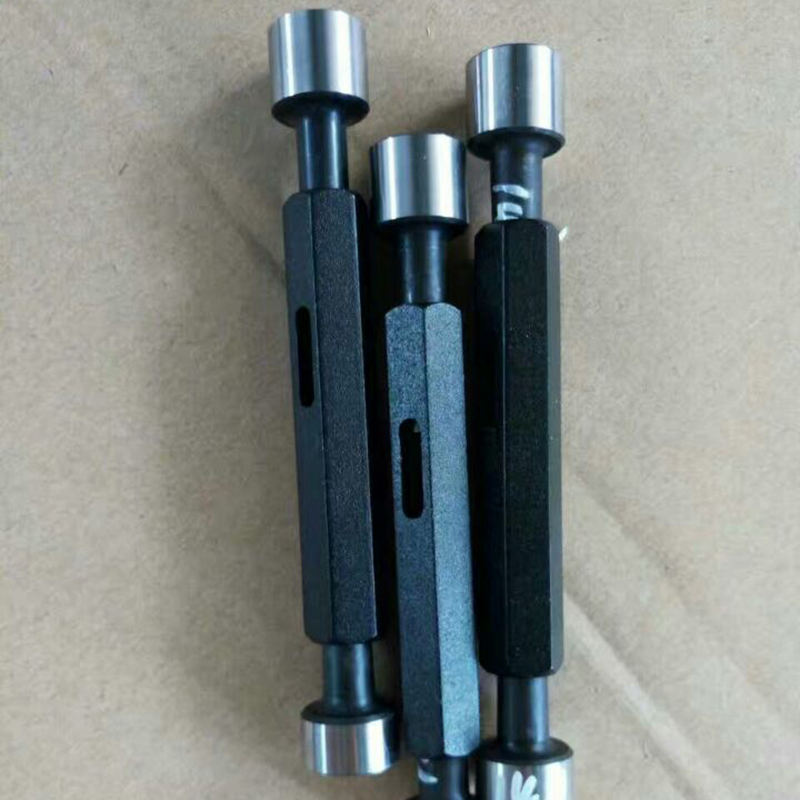
Using Ring Gauge for Precision Measurement in Quality Control Applications
ring gauge is used for checking .
water valve types
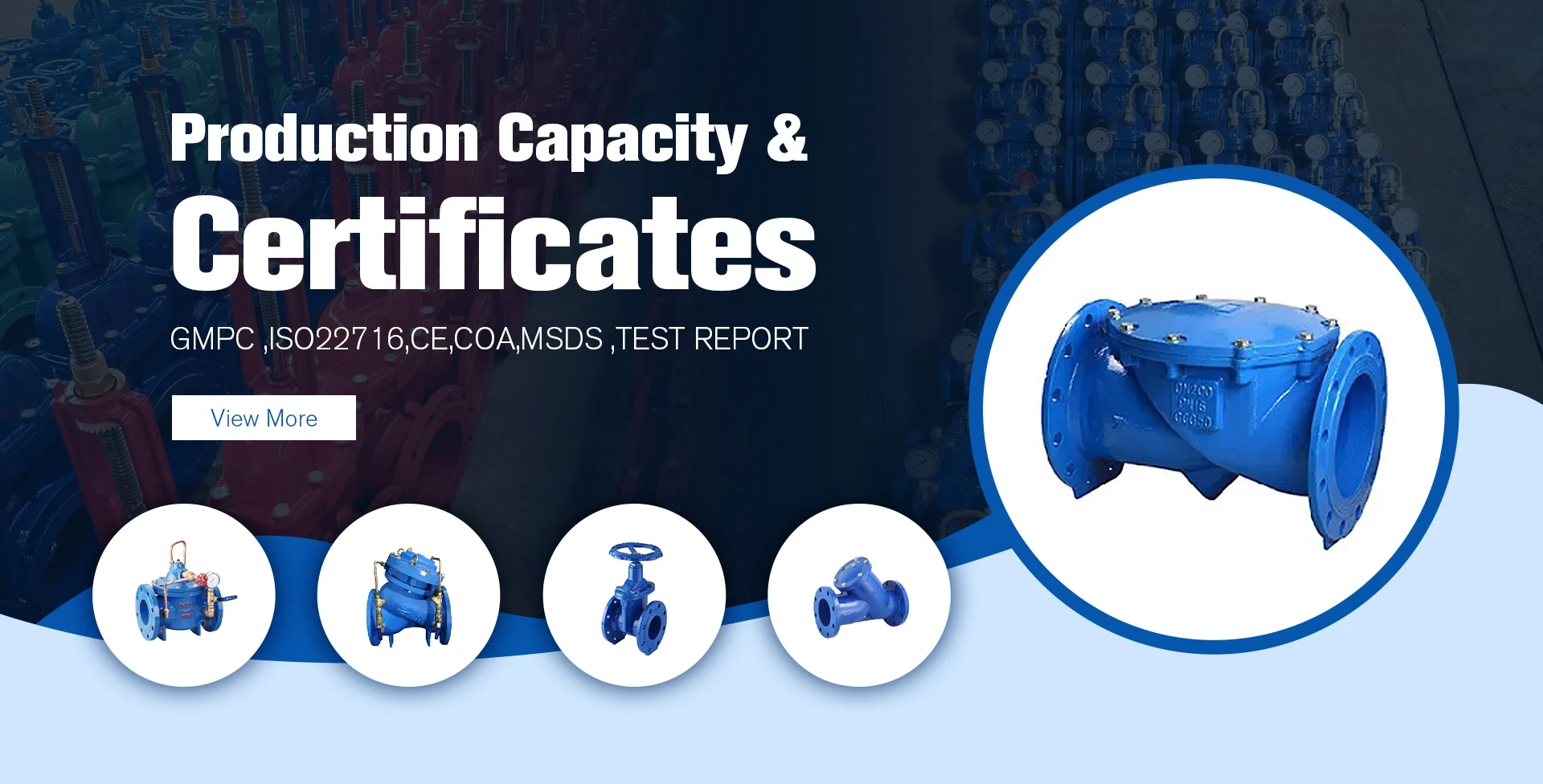
Understanding Water Valve Types A Comprehensive Guide Water valves are critical components in plumbi
 English